
Canthoplasty
Rejuvenate Your Eyes with a Specialized Procedure
What is Canthoplasty?
Canthoplasty is a subtle yet highly effective surgical procedure that enhances the appearance of the lower eyelid and outer area of the eyes, specifically the lateral corner of the eyelids. By modifying this area—either lifting it or making the angle sharper—a significant improvement in eye shape can be achieved. This procedure not only contributes to a fresher, more alert appearance, but can also have a positive impact on self-esteem and on how others perceive us, as the gaze becomes more expressive.
This type of surgery is frequently used to create a more almond-shaped eye, an aesthetic that is highly sought after in oculoplastic surgery. In addition, canthoplasty is often combined with other lower eyelid aesthetic procedures, such as lower blepharoplasty, to achieve a harmonious and more comprehensive result.
Mind you that in general, dr. van der Veen only performs this procedure in eyelids with significant laxity and/ or rounding of the lateral canthus. He is not a fan of changing eye shape in younger patients inspired by social media or trends.

PRICE
Starting from €1900

DURATION
1/1.5 hours

RECOVERY
7–10 days
Why undergo Canthoplasty?
The main benefit of canthoplasty is the improvement in the shape and position of the outer corner of the eye, helping to achieve a more expressive and youthful look. This procedure is ideal for those seeking to correct drooping or laxity of the lower eyelids that occurs with age or due to genetic factors. By enhancing the shape of the eyes, canthoplasty helps soften a tired or aged appearance, providing a natural rejuvenating effect.
In many cases, canthoplasty is performed in combination with other lower eyelid procedures, such as:
1. Lower eyelid tightening
This procedure is used for both aesthetic and reconstructive purposes. It is often performed as part of lower blepharoplasty, improving the firmness and position of a lower eyelid that has sagged over time. Laxity of the lower eyelid and the outer eyelid angle can be caused by aging, and combining lower eyelid blepharoplasty with canthoplasty this can offer a complete and long-lasting correction.
2. Lower eyelid height augmentation
In some cases, the lower eyelid sits lower than desired, not only due to skin laxity but also because of factors such as a larger eye, a shallow eye socket, or medical conditions like thyroid eye disease. In these situations, instead of removing tissue, tissue is added (either the patient’s own cartilage or donor material) to enhance the area and achieve improved function and a more balanced, aesthetic appearance (see photo above). Lower eyelid augmentation is particularly effective when there is excessive eye exposure. In such cases, it may be combined with canthoplasty or even tarsorrhaphy to reposition and support the lower eyelid.
How is Canthoplasty performed?
Canthoplasty is performed through a small incision in the outer corner of the eye, under the lash line and/ or in the crow’s feet. Depending on the patient’s needs, the surgeon may adjust the angle of the lateral eyelid, elevate it, or modify its shape to achieve the desired results. This procedure is relatively quick and is generally performed under local anesthesia, with or without sedation.
In most cases, results are immediate and long-lasting, significantly improving both the function and the aesthetic appearance and shape of the eyes.
Type of anesthesia used in Canthoplasty surgery
Canthoplasty is a relatively quick procedure and is usually performed under local anaesthesia, with or without sedation. Whether sedation is required depends on the patient’s preference, the surgeon’s recommendation, the type of canthoplasty, and whether additional procedures are performed.
What can I do before surgery to optimize the result?
To achieve the best possible results, it is important to follow certain recommendations before surgery:
Discontinuation of anticoagulants: If you are taking blood-thinning medications, it is crucial to stop them several days before the procedure, always under medical supervision. The required washout period varies depending on the medication, so it is important to follow your doctor’s instructions.
Adequate rest: Avoid physical activity and sleep with your head slightly elevated during the first week, as this helps reduce postoperative swelling and the risk of significant bruising.
Healthy diet: Aim for a varied, balanced diet free of ultra-processed foods. If you wish, we can arrange a video consultation with our nutrition specialist.
Quit smoking: It is recommended to stop smoking at least a few weeks before surgery. Smoking interferes with healing and increases the risk of complications.
Postoperative care
After canthoplasty surgery, it is essential to follow certain guidelines to ensure a smooth and complication-free recovery:
Rest and limited activity: Avoid intense physical activity, lifting heavy objects, or performing household chores for at least 5–7 days. Physical exertion increases blood pressure and may cause bleeding or bruising that can negatively affect the results.
Cold compresses: During the first 72 hours, applying cold compresses to the eyelids helps reduce swelling and bruising. It is recommended to apply them for several minutes every hour.
Antibiotic ointment: Your surgeon will prescribe an antibiotic ointment to be applied twice daily to the surgical wounds for the first 7 to 10 days. If the surgery was (partially) performed from the inner side of the lower eyelid, the ointment should also be applied inside the eye.
Recovery and postoperative care
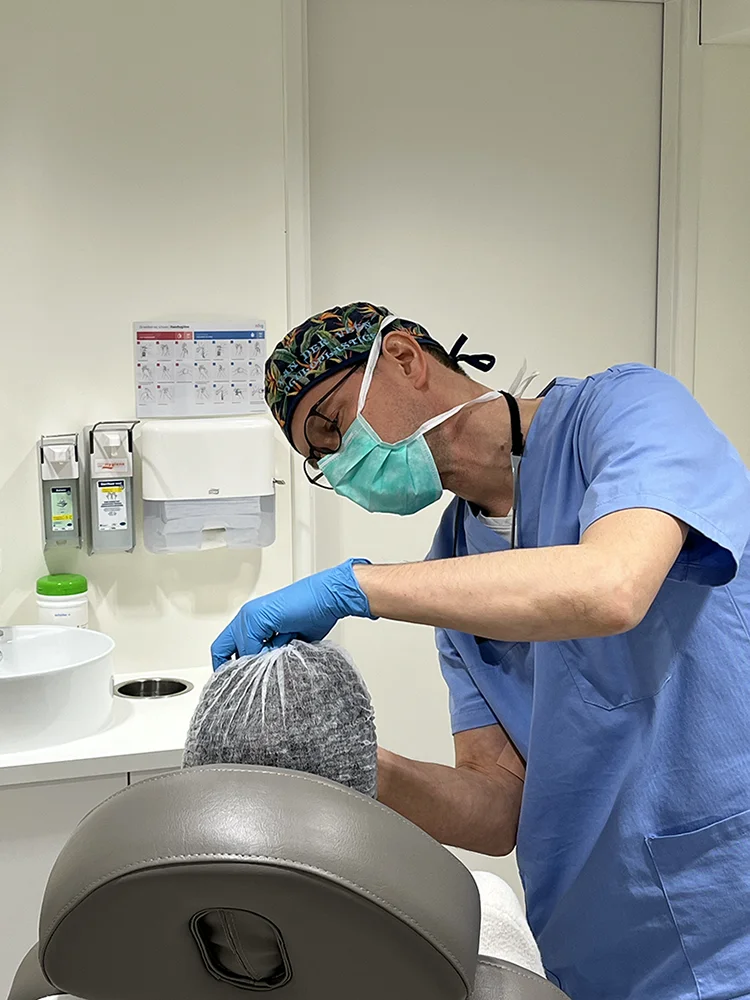
Recovery from canthoplasty is generally quick. Patients may experience some swelling and bruising in the treated area, but these symptoms usually resolve within a few days. Most patients can resume daily activities within one week, although it is recommended to avoid intense physical exertion and direct sun exposure during the first few weeks. Follow-up with the surgeon is essential to ensure optimal healing and the best possible results.
Contact us
Take the next step toward your well-being,
with expert guidance at every stage.